
George & Martha Washington and the Calendar Act of 1750/52
How a Calendar Reform Changed America’s First First Couple
Introduction
The Calendar Act of 1750/52 reshaped how Great Britain and its colonies—including the future United States—kept time. While the reform was administrative in nature, its most memorable legacy for Americans is how it changed the birthdays of George and Martha Washington. This Washington‑centric overview explains why the Act was passed, how it worked, and how it permanently altered the way the nation remembers its first President and First Lady.
Why the Calendar Act Was Necessary
For centuries, Britain used the Julian calendar, which miscalculated the solar year by about 11 minutes. By the 18th century, this small error had accumulated into an 11‑day drift. Religious holidays, agricultural seasons, and legal documents were increasingly out of sync with the natural year.
Most of Europe had already adopted the more accurate Gregorian calendar. Britain finally followed in 1752, bringing its colonies—including Virginia, home to George and Martha Washington—into alignment with continental timekeeping.
How the Calendar Change Worked
The Calendar Act mandated two major adjustments:
- September 2, 1752, was followed by September 14, 1752, removing 11 days.
- The legal new year shifted from March 25 to January 1.
These changes directly affected how birthdays were recorded and celebrated, especially for the Washingtons.
George Washington’s Birthday: A Shift in Date and Year
George Washington was born on February 11, 1731 (Old Style). After the calendar reform, his birthday became February 22, 1732 (New Style). Two factors caused this shift:
- The 11‑day correction
- The change of the legal new year from March 25 to January 1
Washington celebrated on both dates during his lifetime. I can’t blame him! Early Americans celebrated either one depending on local custom. Today, the nation officially recognizes February 22—even though the federal holiday never actually falls on that date.
Martha Washington’s Birthday: A Smaller Adjustment
Martha Dandridge Custis Washington was born on June 21, 1731 (Old Style). Under the Gregorian calendar, her birthday became June 2, 1731 (New Style). Because her birth occurred after the old new‑year date, her birth year did not change.
Her birthday was unaffected by the 11‑day deletion in September 1752, but the shift still altered how her birthdate appears in historical records.
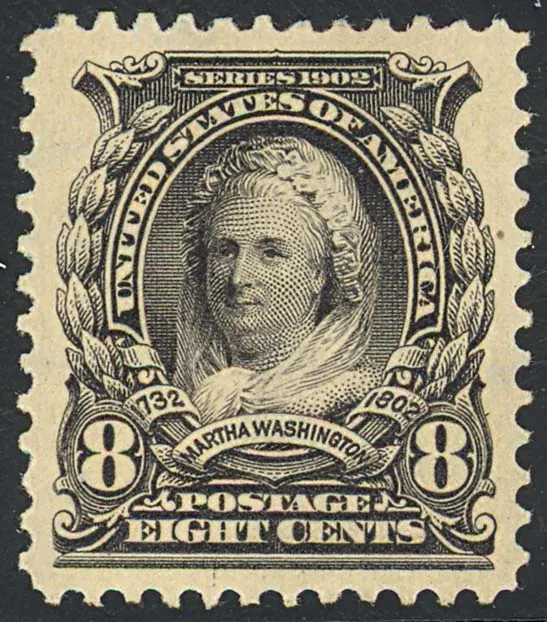
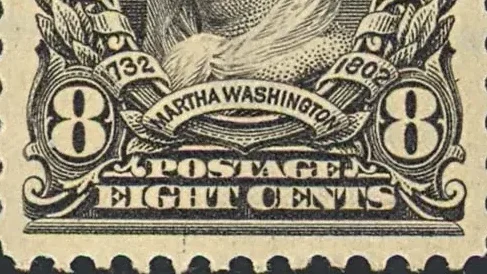
General confusion has been prevalent ever since. As seen here, note the 1732 date on Scott # 306.
This continues to effect research by genealogists, historians and other researches that cover this time frame.
Why Their Birthdays Still Matter
George and Martha Washington’s adjusted birthdays are among the most widely cited examples of how the Calendar Act affected everyday life. Their dates of birth continue to be discussed by historians, genealogists, educators, and museums. The Washington’s birthdays illustrate how calendar reforms can reshape national memory and historical interpretation.
Broader Impacts of the Calendar Act
- Legal Records: The Act eliminated confusion caused by double‑dating in documents.
- Religious Observances: Holidays such as Easter were recalculated.
- Economic Life: Quarter days for rents and contracts shifted, leaving a legacy still visible in the UK tax year ending on April 5.
- Public Reaction: Stories of riots demanding “Give us our eleven days!” were greatly exaggerated, but the reform did cause widespread confusion.
Legacy and Modern Observance
George Washington’s birthday became a federal holiday in 1879. Although popularly called “Presidents’ Day,” Congress never officially adopted that name.
Martha Washington’s birthday, June 2, is recognized by historians and historical societies but is not a national holiday.
Conclusion
The Calendar Act of 1750/52 was more than a technical correction—it reshaped how Americans remember their first President and First Lady. By altering their birthdays, the Act left a lasting imprint on national tradition, historical scholarship, and public celebration.